
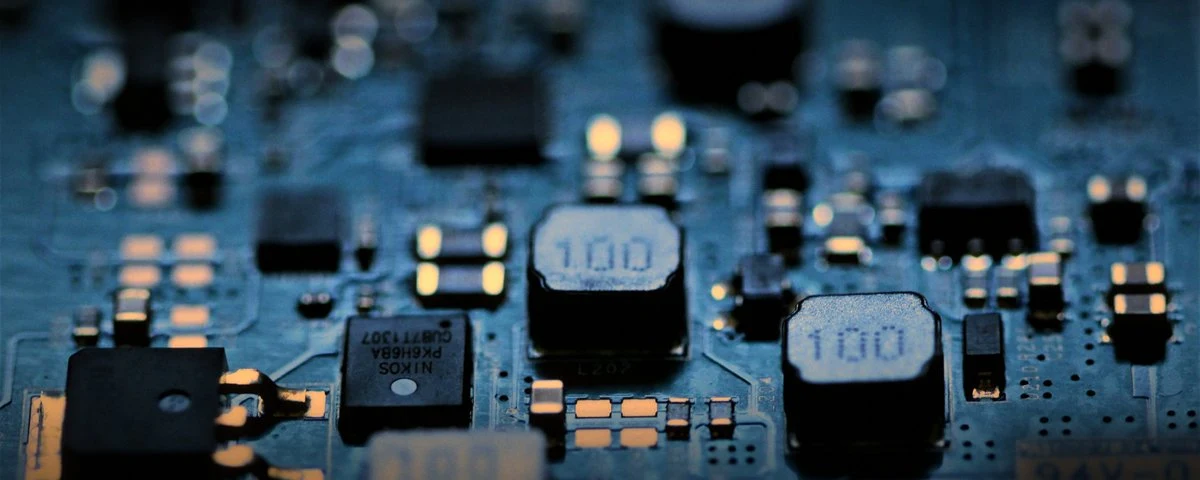
A complex circuit board takes weeks to months to make. I want to make them in under 60 minutes.
What we've learned about electronics manufacturing in America:
1.Remove friction in the existing supply chain
Fresh off a plane from Ireland, we started the YC S26 batch assembling circuit boards out of a garage in San Francisco. We were fast because we did not sleep and quickly became capacity constrained.
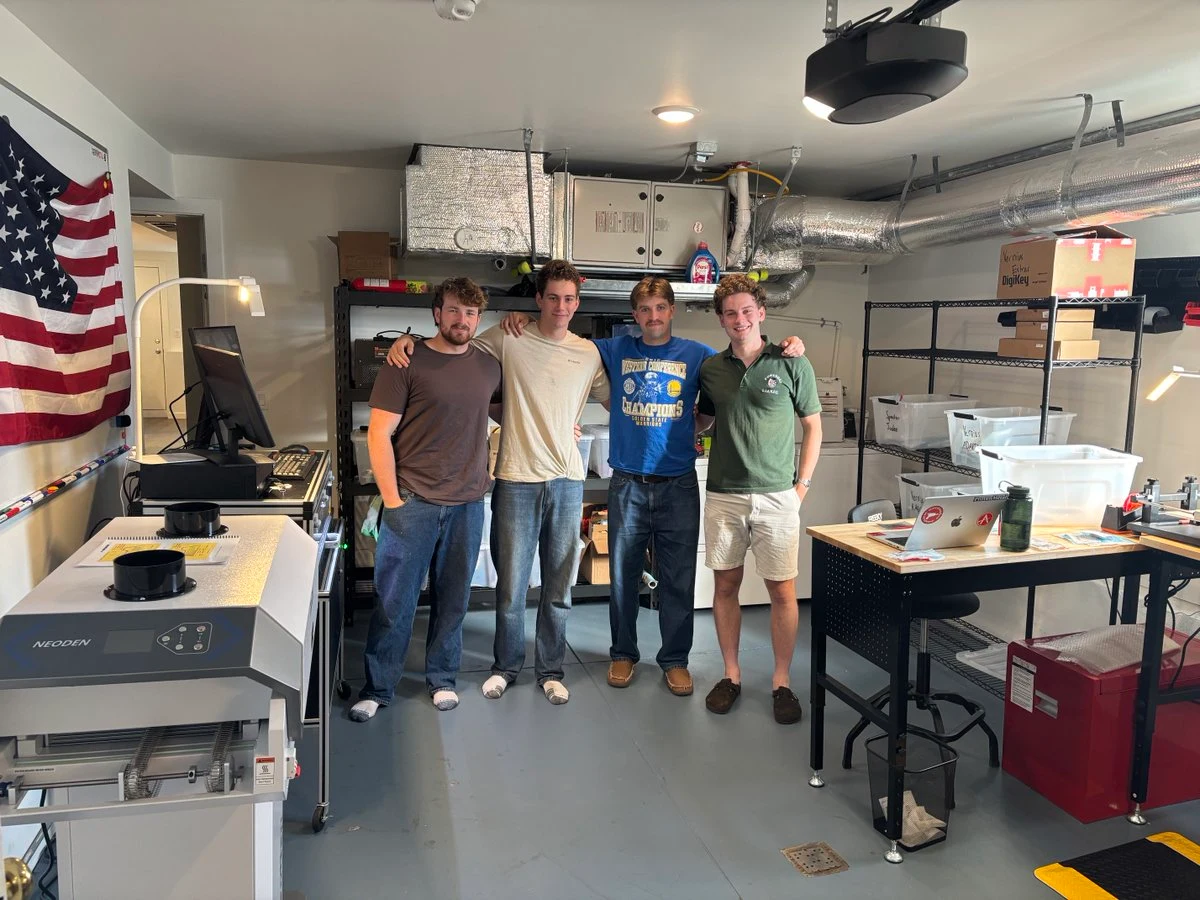
In YC there’s pressure to grow revenue fast, so we started working with partner manufacturers, automated their front/back of house, and routed orders through them.
The finding: if you automate quoting, design for manufacture review, and part sourcing, you 1. remove friction and 2. save a few days of lead time.
That scaled to over $1 million in booked revenue in about five months.
2.Then admit it is not a step change
Then we stopped getting excited about it. Saving a few days on a two week lead time is simply not good enough.
When you route an order through someone else’s factory, the process is slower than we want and outside of your control.
The US made 30% of the world’s circuit boards, now they make 4%. In 2000, there were more than >2000 fabs, now there’s <145.
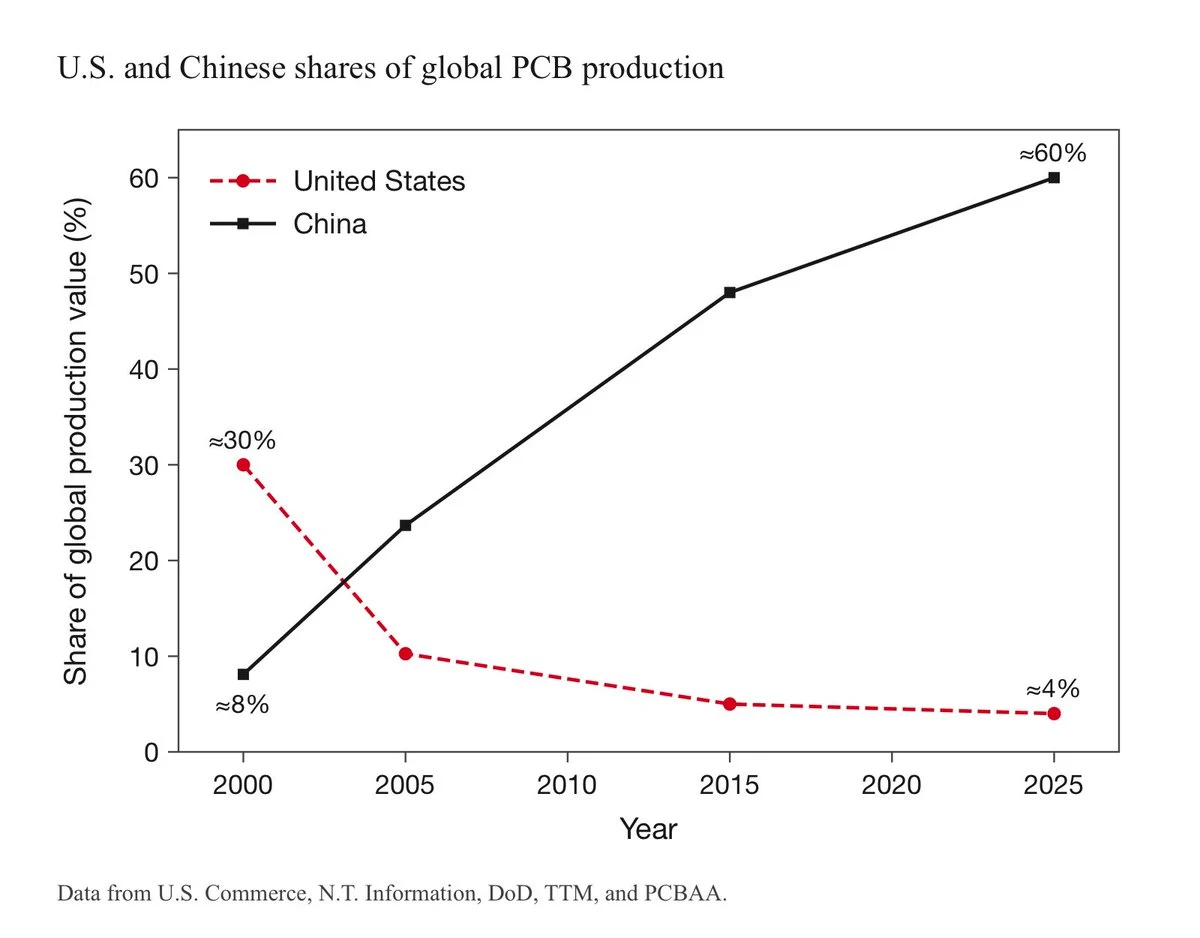
Even if you acquire fabs and wrap them in fancy software, it is simply not good enough.
You have to rebuild the manufacturing process itself, with automation at the core. That is how we will deliver a step change to beat Shenzhen.
3.Stop postponing the hard part
The plan was to reach a big revenue number by routing orders through the existing supply chain, raise a big funding round, and then start bringing our own manufacturing capacity online.
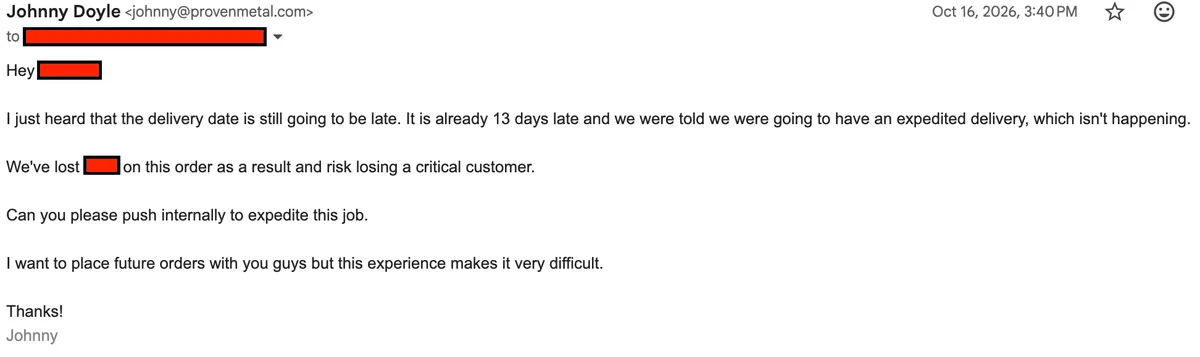
I cannot say how many times fabs have let us down, sometimes doubling or tripling the quoted lead time, especially for high complexity boards:
There are two kind of start ups in the manufacturing space: the ones that put software in old factories and the ones that build new ones. We have been the first type. We are becoming the second.
We’re going after the hardest problem in the industry.
4.Start with the hardest board to make
That means innovating at the bottom of the value chain: building our own fabrication capacity for high complexity, high layer count HDI circuit boards. A typical PCB has anywhere from 2-12 layers. Edge compute applications are often 12+, AI server boards are moving to 100+.
Right now the complex ones take months. You can attribute a week or two to front/back of house, but the core of the problem is the manufacturing process itself. A recent report cited lead times of 16-20 weeks for high layer count boards.
I want to manufacture them in under 60 minutes.
You don’t get there by running the same process faster. You must remove steps and give agents control over design + manufacturing:
4.1Standardize process constraints for AI design
AI design exists (and it’s getting really fucking good). This means we can standardize design for manufacturing, and completely redesign how circuit board manufacturing and assembly works.
Connecting AI design tools to manufacturing lines will enable boards to be manufactured in a fraction of the time.
Where a normal HDI fab has 29 different core operations to account for the breadth of features that an electrical engineer might use, we can compress that to 8 and achieve the same functionality.
4.2Use agents to optimize the process
Agents run the manufacturing process, measure the result, adjust parameters, and run it again. Every relevant parameter is accounted for and adjusted to maximize high yield output.
@_brianpotter tells this story with the nail in The Origins of Efficiency. A simple nail used to be forged by hand, a few thousand a day per worker. They were so valuable that colonial buildings were sometimes burned down just to get the nails, and as late as 1810 nails were an estimated of 0.4% of US GDP.
Then the process was rebuilt. Cut-nail machines made around 10,000 a day. Steam took that to around 30,000. Modern machines do around 100,000.
A cut nail is not a forged nail, and a wire nail is not a cut nail--"mechanizing a production process often requires a change in the design of the product."
Where we're at now
We’re setting up fabrication capacity in our building in San Francisco. We’re proving out a new fabrication process for high complexity PCB manufacturing on a small scale. Then we scale it.
The other half of the business is still routing orders. While not a step change, it makes getting circuit boards in America easier and faster. It is also how we learn and meet more customers, so the capacity we set up serves their needs as well as possible.
Hours, not weeks
Wrap software around old factories and you save a few days. Rebuild manufacturing capacity, with automation at the core, and you get a step change.
The goal is fully assembled circuit boards in hours. I want people to design a circuit board in the morning and hold it that afternoon.